Our Workshop Sampling
Here are a few of the workshops we offer. If you have a specific topic or need in mind let us know! We offer tailored workshops to meet the needs of your team!

Process Versus Product
Authentic art experiences for young children
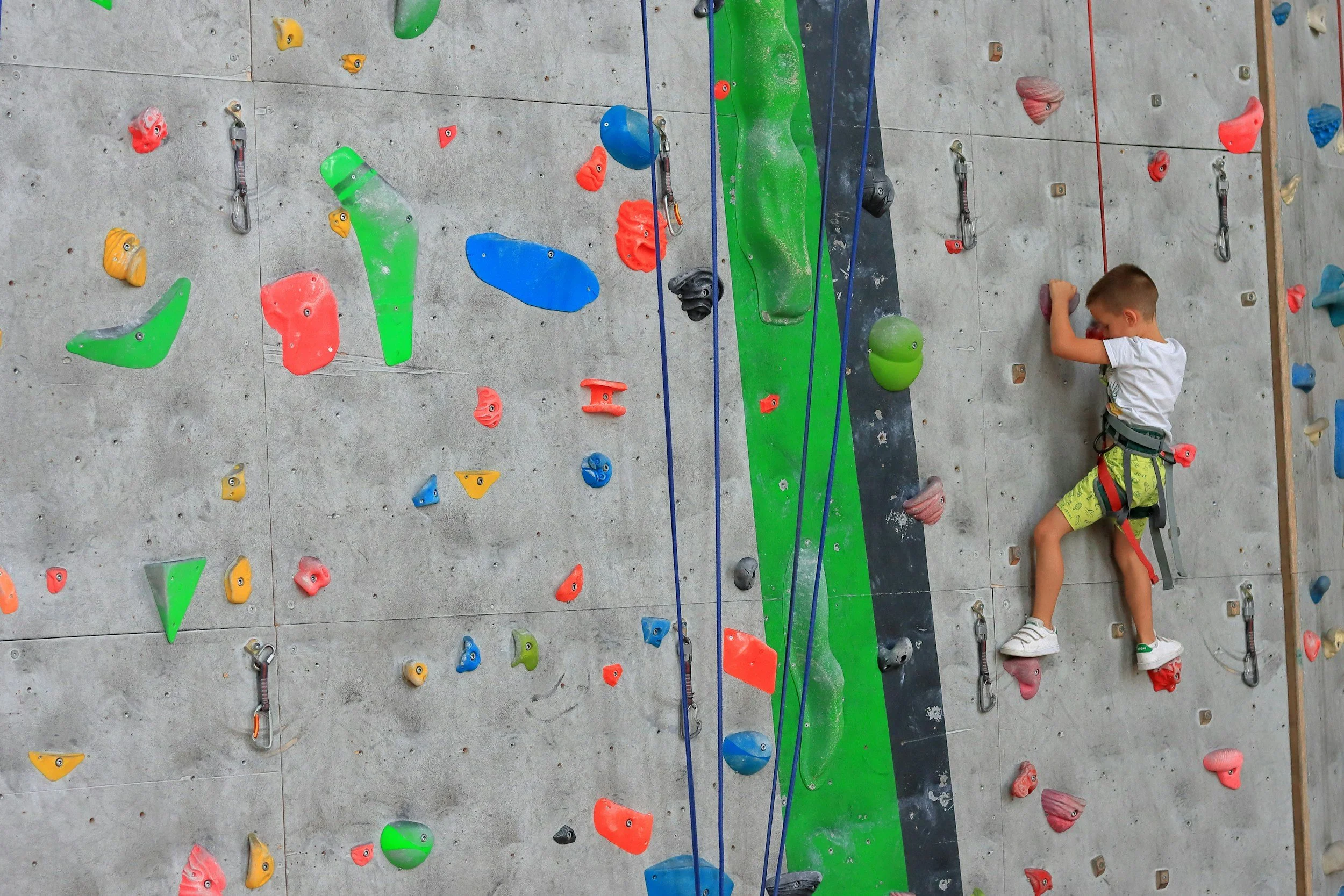
It’s Not How Smart You Are; It’s How You Are Smart
Using a Multiple Intelligences Teaching Approach
Every child learns and demonstrates understanding in different ways. This interactive workshop introduces educators to Howard Gardner’s theory of Multiple Intelligences and explores how children may show strengths through language, movement, music, visual-spatial thinking, social interactions, nature, and more. Participants will learn practical strategies for recognizing children’s individual strengths and designing learning experiences that provide multiple ways for children to engage, explore, and demonstrate what they know.
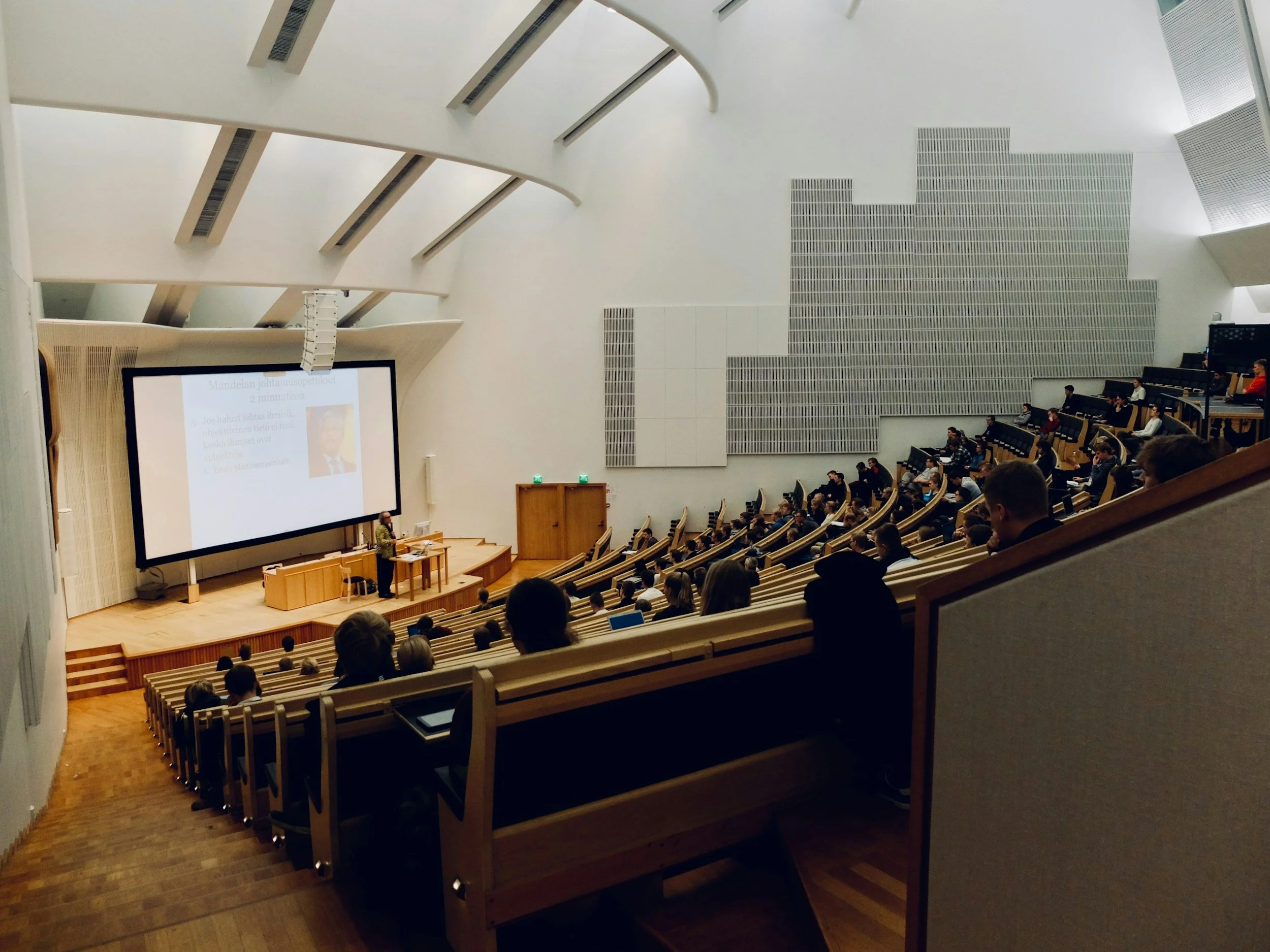
No More Lectures!
Strategies to transform your college classroom
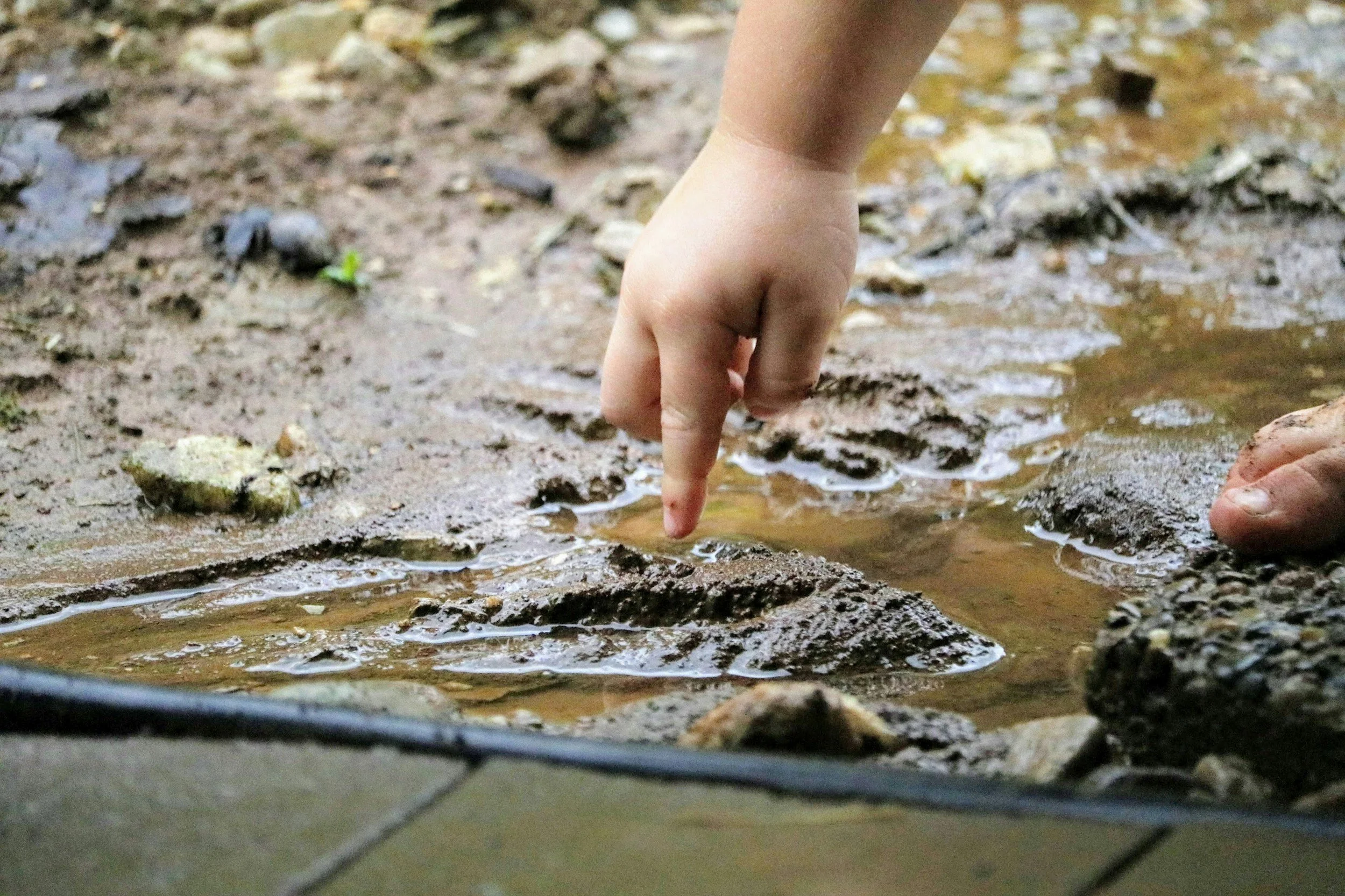
Slimy, Dirty, Exploding Fun
Making Science Meaningful for Young Children
Young children are natural scientists—they observe, question, predict, investigate, and discover every day. This hands-on workshop explores ways to bring meaningful science experiences into the early childhood classroom using simple, engaging, and developmentally appropriate activities. Participants will explore how everyday materials and children’s natural curiosity can be used to support inquiry, problem-solving, observation, vocabulary, and critical thinking.

Rhythm and Rhyme
The true foundations of early literacy

What Do I Do Now?
Practical Strategies for Challenging Behaviors
Challenging behaviors can leave even experienced educators wondering, “What do I do now?” This interactive, hands-on workshop provides early childhood professionals with practical strategies they can use immediately to prevent, respond to, and reduce challenging behaviors. Participants will explore what behaviors may be communicating, identify common triggers, and learn effective approaches for promoting self-regulation, cooperation, and positive behavior. Through real-life scenarios and problem-solving activities, educators will leave with a toolbox of strategies they can put to work in their classrooms the very next day.